
دراسات الحالة
لتر 5 دقيقة

القيمة الاستراتيجية لتحويل الكلام إلى نص باللغة العربية للمؤسسات

الذكاء الاصطناعي للمؤسسات
المؤلف
Rym Bachouche

تعزيز المستقبل باستخدام الذكاء الاصطناعي

انضم إلى النشرة الإخبارية للحصول على رؤى حول أحدث التقنيات المبنية في الإمارات العربية المتحدة

الوجبات السريعة الرئيسية

1

The Middle East and Africa voice and speech recognition market is projected to reach USD 6,796.2 million by 2030, growing at a CAGR of 15.7%.

2

Arabic speech-to-text has moved from a technical curiosity to a strategic asset with measurable business impact, with organizations reporting up to 50% reduction in operational costs and over 60% increase in customer satisfaction.

3

The technical reality of Arabic ASR is complex, with challenges related to dialectal variation, code-switching, and diacritics.

4

The strategic value of Arabic speech-to-text extends beyond operational efficiency to create defensible competitive moats through data assets, domain expertise, and regulatory compliance.

The Middle East and Africa voice and speech recognition market generated USD 2,393.5 million in revenue in 2023 and is projected to reach USD 6,796.2 million by 2030, growing at a compound annual growth rate of 15.7%. This growth is not driven by consumer novelty; it reflects a fundamental shift in how enterprises in the MENA region approach customer engagement, operational efficiency, and market access. Arabic speech-to-text technology has moved from a technical curiosity to a strategic asset with measurable business impact.

For enterprises operating in Arabic-speaking markets, the ability to accurately transcribe, analyze, and act on spoken Arabic is no longer optional. The question is not whether to invest in Arabic speech-to-text capabilities, but how to deploy them in ways that create defensible competitive advantages.


The Market Opportunity

Arabic is spoken by over 400 million people across more than 20 countries, representing a substantial addressable market for voice-enabled services. The MEA AI speech recognition market alone was valued at USD 496.5 million in 2024, with a year-on-year growth rate of 19.7%.

Industries driving adoption include healthcare, banking, and manufacturing. In healthcare, Arabic speech-to-text enables medical documentation and patient record management. In banking, voice authentication and transaction processing reduce friction in customer interactions. In manufacturing, voice-enabled quality control and safety compliance systems allow workers to interact with systems hands-free.

This is some text inside of a div block.

The Business Impact

Companies implementing Arabic voice AI are reporting measurable operational improvements. Organizations have achieved up to 50% reduction in operational costs and over 60% increase in customer satisfaction [3]. The mechanism is straightforward: reducing response time from five minutes to under one minute boosts customer satisfaction by 50%, according to research from Deloitte.

The cost structure impact operates across multiple dimensions. First, Arabic speech-to-text automates workflows that previously required human transcription or manual data entry. Second, voice interfaces reduce the need for complex graphical user interfaces and multilingual text support. Third, voice analytics derived from transcribed Arabic speech provide insights into customer sentiment, product issues, and service quality.

The revenue impact stems from market access and customer reach. Generic multilingual models trained primarily on English data cannot serve Arabic-speaking markets effectively because they fail to capture dialectal variation, code-switching patterns, and cultural context.

Inclusive Arabic Voice AI

The organizations that will capture the value of the Arabic-speaking market are those that treat Arabic speech-to-text as a strategic capability to be built, not a commodity to be purchased.

This is some text inside of a div block.

Heading

Lorem ipsum dolor sit amet, consectetur adipiscing elit. Suspendisse varius enim in eros elementum tristique. Duis cursus, mi quis viverra ornare, eros dolor interdum nulla, ut commodo diam libero vitae erat. Aenean faucibus nibh et justo cursus id rutrum lorem imperdiet. Nunc ut sem vitae risus tristique posuere.

Lorem ipsum dolor sit amet, consectetur adipiscing elit. Suspendisse varius enim in eros elementum tristique. Duis cursus, mi quis viverra ornare, eros dolor interdum nulla, ut commodo diam libero vitae erat. Aenean faucibus nibh et justo cursus id rutrum lorem imperdiet. Nunc ut sem vitae risus tristique posuere.

Lorem ipsum dolor sit amet, consectetur adipiscing elit. Suspendisse varius enim in eros elementum tristique. Duis cursus, mi quis viverra ornare, eros dolor interdum nulla, ut commodo diam libero vitae erat. Aenean faucibus nibh et justo cursus id rutrum lorem imperdiet. Nunc ut sem vitae risus tristique posuere.

Lorem ipsum dolor sit amet, consectetur adipiscing elit. Suspendisse varius enim in eros elementum tristique. Duis cursus, mi quis viverra ornare, eros dolor interdum nulla, ut commodo diam libero vitae erat. Aenean faucibus nibh et justo cursus id rutrum lorem imperdiet. Nunc ut sem vitae risus tristique posuere.

The Technical Reality

The performance of Arabic speech-to-text systems depends on three factors: the availability of training data, the techniques used for acoustic modeling, and the quality of evaluation datasets. A systematic literature review of Arabic automatic speech recognition research found that 89.47% of studies focused on Modern Standard Arabic, while only 26.32% addressed Arabic dialects. This gap between MSA and dialectal Arabic represents a significant barrier to real-world deployment.

Technical Challenge Description Impact on ASR
Dialectal Variation Arabic encompasses more than 25 dialects, each with distinct phonology, vocabulary, and syntax. A system trained on one dialect will perform poorly on another.
Code-Switching The practice of alternating between Arabic and English is common in business communication. Standard multilingual models fail to handle the complex grammatical structures of code-switched speech.
Diacritics Arabic text is typically written without diacritical marks, which provide vowel information. The ASR system must infer the correct diacritization from context, a task that requires large, high-quality language models.

Recent advances have shifted the technical landscape. Code-switch-aware ASR systems designed for mixed Arabic-English speech have demonstrated a 27% lower word-error rate on blended Najdi Arabic and English compared to standard multilingual models.

Strategic Positioning

The strategic value of Arabic speech-to-text extends beyond operational efficiency and cost reduction. It creates competitive moats that are difficult to replicate quickly.

Strategic Dimension Value Creation Mechanism Competitive Barrier
Data Assets Proprietary Arabic speech corpora across dialects Time and cost to replicate
Domain Expertise Dialect-aware annotation and evaluation Specialized talent scarcity
Customer Lock-in Native Arabic voice interfaces Switching costs
Regulatory Compliance Local language support for government mandates Legal requirements

This advantage compounds over time. As the system processes more Arabic speech, it generates more training data. As it serves more customers, it creates higher switching costs. The regulatory dimension adds another layer of strategic value. Regulators in the MENA region are increasingly focused on language parity in digital services.

Implementation Considerations

Deploying Arabic speech-to-text at enterprise scale requires architectural choices about data residency, model hosting, and system integration. For many MENA enterprises and government agencies, data residency is non-negotiable. Open-weight models and on-premise deployment options address this concern.

The alternative is to use hosted APIs from cloud providers with regional data centers. Google Cloud Speech-to-Text and Speechmatics offer Arabic support with varying levels of dialect coverage and accuracy. A hybrid approach often wins, using in-region inference for sensitive workloads and cloud experimentation for non-sensitive prototyping.

Evaluation is another critical implementation consideration. Organizations must build sector-specific evaluation suites that test performance on domain terminology, dialectal variation, code-switching, and audio quality degradation.

شاهد أداء Munsit في الكلام العربي الحقيقي

قم بتقييم تغطية اللهجة ومعالجة الضوضاء والنشر داخل المنطقة على البيانات التي تعكس عملائك.
اكتشف

The Path Forward

The strategic value of Arabic speech-to-text for enterprises is not speculative. It is grounded in measurable market growth, documented business impact, and technical advances that have closed the gap between Arabic and English ASR performance. The organizations that will capture this value are those that treat Arabic speech-to-text as a strategic capability to be built, not a commodity to be purchased.

التعليمات

What is the size of the Arabic speech recognition market?
What is the business impact of Arabic speech-to-text?
What are the main technical challenges for Arabic ASR?

Powering the Future with AI

Join our newsletter for insights on cutting-edge technology built in the UAE
Thank you! Your submission has been received!
Oops! Something went wrong while submitting the form.
آخر تحديث:
June 13, 2026

القيمة الاستراتيجية لتحويل الكلام إلى نص باللغة العربية للمؤسسات

دراسات الحالة
الذكاء الاصطناعي للمؤسسات
المؤلف
سارة تركي
Rym Bachouche
قراءة في 5 دقائق

اطرح الذكاء الاصطناعي الصوتي العربي في الإنتاج

تحويل الكلام إلى نص والنص إلى كلام باللغة العربية بمستوى أصلي
مصمم لحكومات وشركات دول مجلس التعاون الخليجي
استضافة محلية وسحابة سيادية
احجز عرضاً توضيحياً
شكرًا لك! لقد تم استلام طلبك!
عذرًا! حدث خطأ ما أثناء إرسال النموذج.

أبرز النقاط

The Middle East and Africa voice and speech recognition market is projected to reach USD 6,796.2 million by 2030, growing at a CAGR of 15.7%.

Arabic speech-to-text has moved from a technical curiosity to a strategic asset with measurable business impact, with organizations reporting up to 50% reduction in operational costs and over 60% increase in customer satisfaction.

The technical reality of Arabic ASR is complex, with challenges related to dialectal variation, code-switching, and diacritics.

The strategic value of Arabic speech-to-text extends beyond operational efficiency to create defensible competitive moats through data assets, domain expertise, and regulatory compliance.

The Middle East and Africa voice and speech recognition market generated USD 2,393.5 million in revenue in 2023 and is projected to reach USD 6,796.2 million by 2030, growing at a compound annual growth rate of 15.7%. This growth is not driven by consumer novelty; it reflects a fundamental shift in how enterprises in the MENA region approach customer engagement, operational efficiency, and market access. Arabic speech-to-text technology has moved from a technical curiosity to a strategic asset with measurable business impact.

For enterprises operating in Arabic-speaking markets, the ability to accurately transcribe, analyze, and act on spoken Arabic is no longer optional. The question is not whether to invest in Arabic speech-to-text capabilities, but how to deploy them in ways that create defensible competitive advantages.
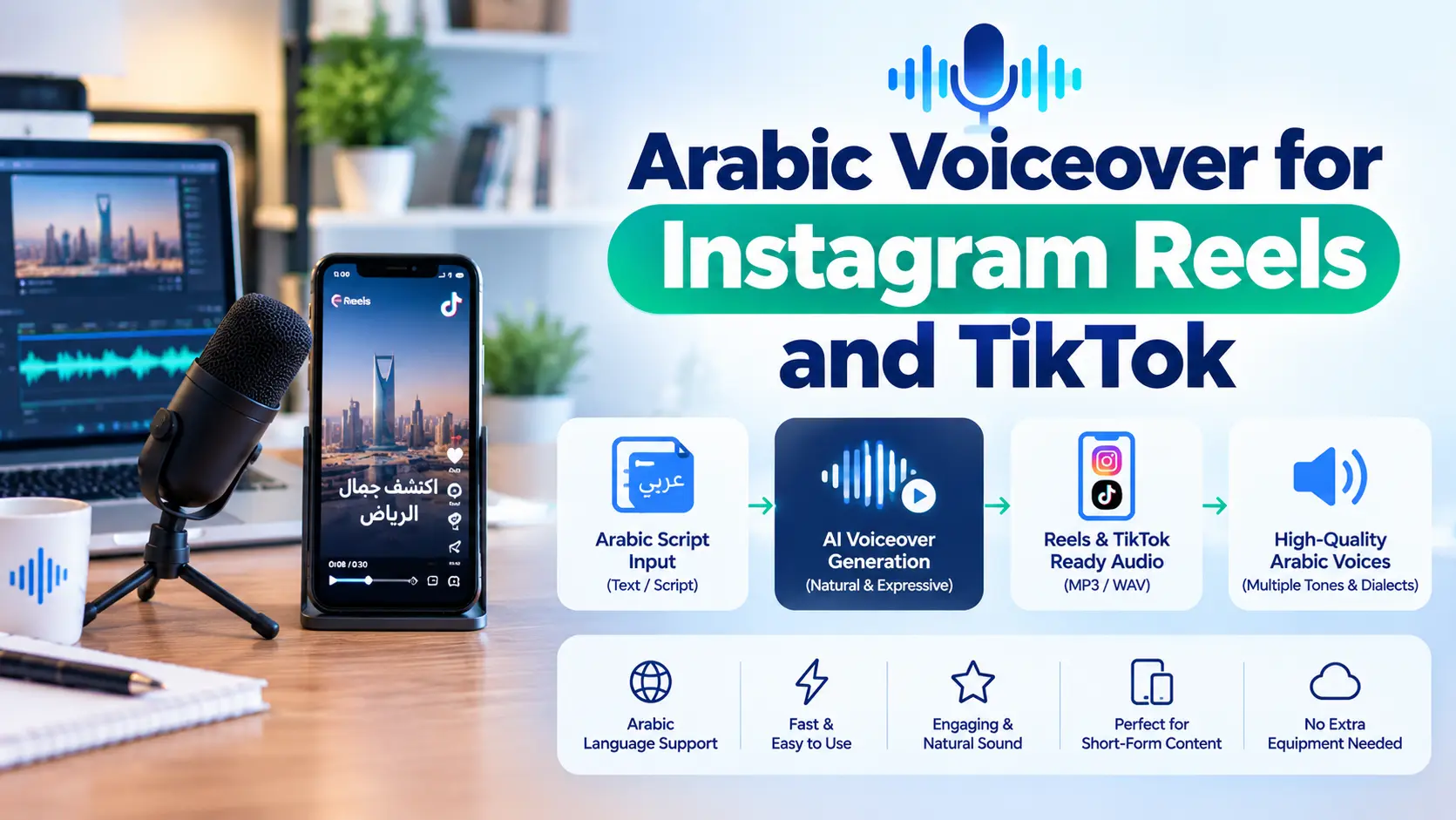
The Market Opportunity

Arabic is spoken by over 400 million people across more than 20 countries, representing a substantial addressable market for voice-enabled services. The MEA AI speech recognition market alone was valued at USD 496.5 million in 2024, with a year-on-year growth rate of 19.7%.

Industries driving adoption include healthcare, banking, and manufacturing. In healthcare, Arabic speech-to-text enables medical documentation and patient record management. In banking, voice authentication and transaction processing reduce friction in customer interactions. In manufacturing, voice-enabled quality control and safety compliance systems allow workers to interact with systems hands-free.

Lorem ipsum dolor
لوريم إيبسوم ألم
لوريم إيبسوم ألم
لوريم إيبسوم ألم
لوريم إيبسوم ألم
لوريم إيبسوم ألم
لوريم إيبسوم ألم
لوريم إيبسوم ألم
لوريم إيبسوم ألم
لوريم إيبسوم ألم
لوريم إيبسوم ألم
لوريم إيبسوم ألم
لوريم إيبسوم ألم
لوريم إيبسوم ألم
لوريم إيبسوم ألم
لوريم إيبسوم ألم
لوريم إيبسوم ألم
لوريم إيبسوم ألم
لوريم إيبسوم ألم
لوريم إيبسوم ألم
لوريم إيبسوم ألم
Lorem ipsum dolor
Lorem ipsum dolor
Lorem ipsum dolor
Lorem ipsum dolor
Lorem ipsum dolor
Lorem ipsum dolor
Lorem ipsum dolor
Lorem ipsum dolor
Lorem ipsum dolor
Lorem ipsum dolor
Lorem ipsum dolor

The Business Impact

فهم أصول هلوسات الذكاء الاصطناعي هو الخطوة الأولى نحو التخفيف منها. هذه الظاهرة ليست مشكلة واحدة، بل هي قضية معقدة ذات عوامل متعددة تساهم فيها.

1

أوجه القصور في بيانات التدريب

Companies implementing Arabic voice AI are reporting measurable operational improvements. Organizations have achieved up to 50% reduction in operational costs and over 60% increase in customer satisfaction [3]. The mechanism is straightforward: reducing response time from five minutes to under one minute boosts customer satisfaction by 50%, according to research from Deloitte.

The cost structure impact operates across multiple dimensions. First, Arabic speech-to-text automates workflows that previously required human transcription or manual data entry. Second, voice interfaces reduce the need for complex graphical user interfaces and multilingual text support. Third, voice analytics derived from transcribed Arabic speech provide insights into customer sentiment, product issues, and service quality.

The revenue impact stems from market access and customer reach. Generic multilingual models trained primarily on English data cannot serve Arabic-speaking markets effectively because they fail to capture dialectal variation, code-switching patterns, and cultural context.

Inclusive Arabic Voice AI

The organizations that will capture the value of the Arabic-speaking market are those that treat Arabic speech-to-text as a strategic capability to be built, not a commodity to be purchased.

2

أوجه القصور في بيانات التدريب

العامل الأكثر أهمية في هلوسات الذكاء الاصطناعي هو البيانات التي تُدرّب عليها النماذج. تتعلم النماذج اللغوية الكبيرة (LLMs) من مجموعات بيانات ضخمة مجمعة من الإنترنت، والتي تحتوي على مزيج من المعلومات الواقعية والآراء والمعلومات المضللة والتحيزات. يمكن أن تؤدي العديد من المشكلات المحددة المتعلقة بالبيانات إلى الهلوسات:

حالات استخدام الذكاء الاصطناعي الصوتي العربي في الشركات لعام 2025

يفتح التحول نحو أنظمة التعرف التلقائي على الكلام (ASR) العربية التي تراعي اللهجات، آفاقاً جديدة لتطبيقات الشركات في جميع أنحاء منطقة الخليج والشرق الأوسط وشمال إفريقيا. تتجاوز المؤسسات الآن النسخ الأساسي لتصل إلى تحليلات كلام عربية متطورة.

تشهد تقنية الكلام العربية تطوراً سريعاً في عام 2025، مدفوعة بالنماذج اللغوية الضخمة متعددة اللغات والنماذج الأساسية الجديدة التي تركز على اللغة العربية.

تتقدم تقنية الكلام العربية بسرعة في عام 2025، مدفوعة بالنماذج اللغوية الضخمة متعددة اللغات ونماذج الأساس الجديدة المرتكزة على اللغة العربية.

تتقدم تقنية الكلام العربية بسرعة في عام 2025، مدفوعة بالنماذج اللغوية الضخمة متعددة اللغات ونماذج الأساس الجديدة المرتكزة على اللغة العربية.

تتقدم تقنية الكلام العربية بسرعة في عام 2025، مدفوعة بالنماذج اللغوية الضخمة متعددة اللغات ونماذج الأساس الجديدة المرتكزة على اللغة العربية.

The Technical Reality

فهم أصول هلوسات الذكاء الاصطناعي هو الخطوة الأولى نحو التخفيف منها. هذه الظاهرة ليست مشكلة واحدة بل هي قضية معقدة ذات عوامل متعددة تساهم فيها.

1

أوجه القصور في بيانات التدريب

The performance of Arabic speech-to-text systems depends on three factors: the availability of training data, the techniques used for acoustic modeling, and the quality of evaluation datasets. A systematic literature review of Arabic automatic speech recognition research found that 89.47% of studies focused on Modern Standard Arabic, while only 26.32% addressed Arabic dialects. This gap between MSA and dialectal Arabic represents a significant barrier to real-world deployment.

Technical Challenge Description Impact on ASR
Dialectal Variation Arabic encompasses more than 25 dialects, each with distinct phonology, vocabulary, and syntax. A system trained on one dialect will perform poorly on another.
Code-Switching The practice of alternating between Arabic and English is common in business communication. Standard multilingual models fail to handle the complex grammatical structures of code-switched speech.
Diacritics Arabic text is typically written without diacritical marks, which provide vowel information. The ASR system must infer the correct diacritization from context, a task that requires large, high-quality language models.

Recent advances have shifted the technical landscape. Code-switch-aware ASR systems designed for mixed Arabic-English speech have demonstrated a 27% lower word-error rate on blended Najdi Arabic and English compared to standard multilingual models.

2

أوجه القصور في بيانات التدريب

أكبر عامل مساهم في هلوسات الذكاء الاصطناعي هو البيانات التي تُدرب عليها النماذج. تتعلم نماذج اللغة الكبيرة (LLMs) من مجموعات بيانات ضخمة مجمعة من الإنترنت، والتي تحتوي على مزيج من المعلومات الواقعية والآراء والمعلومات المضللة والتحيزات. يمكن أن تؤدي العديد من المشكلات المحددة المتعلقة بالبيانات إلى الهلوسات:

حالات استخدام المؤسسات للذكاء الاصطناعي الصوتي العربي في عام 2025

يفتح الانتقال إلى أنظمة التعرف التلقائي على الكلام (ASR) العربية المدركة للهجات موجة جديدة من تطبيقات المؤسسات عبر مناطق مجلس التعاون الخليجي والشرق الأوسط وشمال إفريقيا. تتجاوز المؤسسات الآن النسخ الأساسي لتصل إلى تحليلات الكلام العربية المتطورة.

تتقدم تقنية الكلام العربية بسرعة في عام 2025، مدفوعة بالنماذج اللغوية الضخمة متعددة اللغات ونماذج الأساس الجديدة المرتكزة على اللغة العربية.

تتقدم تقنية الكلام العربية بسرعة في عام 2025، مدفوعة بالنماذج اللغوية الضخمة متعددة اللغات ونماذج الأساس الجديدة المرتكزة على اللغة العربية.

تتقدم تقنية الكلام العربية بسرعة في عام 2025، مدفوعة بالنماذج اللغوية الضخمة متعددة اللغات ونماذج الأساس الجديدة المرتكزة على اللغة العربية.

تتقدم تقنية الكلام العربية بسرعة في عام 2025، مدفوعة بالنماذج اللغوية الضخمة متعددة اللغات ونماذج الأساس الجديدة المرتكزة على اللغة العربية.

بناء أنظمة ذكاء اصطناعي أفضل يتطلب المنهجية الصحيحة

نحن نساعدك في تصميم حلول مخصصة، وبناء مسارات البيانات (Data Pipelines)، وتقديم ذكاء اصطناعي عربي متطور.

Strategic Positioning

فهم أصول هلوسات الذكاء الاصطناعي هو الخطوة الأولى نحو التخفيف منها. هذه الظاهرة ليست مشكلة واحدة بل هي قضية معقدة ذات عوامل متعددة تساهم فيها.

1

أوجه القصور في بيانات التدريب

The strategic value of Arabic speech-to-text extends beyond operational efficiency and cost reduction. It creates competitive moats that are difficult to replicate quickly.

Strategic Dimension Value Creation Mechanism Competitive Barrier
Data Assets Proprietary Arabic speech corpora across dialects Time and cost to replicate
Domain Expertise Dialect-aware annotation and evaluation Specialized talent scarcity
Customer Lock-in Native Arabic voice interfaces Switching costs
Regulatory Compliance Local language support for government mandates Legal requirements

This advantage compounds over time. As the system processes more Arabic speech, it generates more training data. As it serves more customers, it creates higher switching costs. The regulatory dimension adds another layer of strategic value. Regulators in the MENA region are increasingly focused on language parity in digital services.

2

أوجه القصور في بيانات التدريب

المساهم الأكبر في هلوسات الذكاء الاصطناعي هو البيانات التي تُدرّب عليها النماذج. تتعلم النماذج اللغوية الكبيرة (LLMs) من مجموعات بيانات ضخمة مجمعة من الإنترنت، والتي تحتوي على مزيج من المعلومات الواقعية والآراء والمعلومات المضللة والتحيزات. يمكن أن تؤدي عدة مشكلات محددة متعلقة بالبيانات إلى الهلوسات:

Implementation Considerations

Deploying Arabic speech-to-text at enterprise scale requires architectural choices about data residency, model hosting, and system integration. For many MENA enterprises and government agencies, data residency is non-negotiable. Open-weight models and on-premise deployment options address this concern.

The alternative is to use hosted APIs from cloud providers with regional data centers. Google Cloud Speech-to-Text and Speechmatics offer Arabic support with varying levels of dialect coverage and accuracy. A hybrid approach often wins, using in-region inference for sensitive workloads and cloud experimentation for non-sensitive prototyping.

Evaluation is another critical implementation consideration. Organizations must build sector-specific evaluation suites that test performance on domain terminology, dialectal variation, code-switching, and audio quality degradation.

حالات الاستخدام المؤسسية للذكاء الاصطناعي الصوتي العربي في عام 2025

يفتح الانتقال إلى تقنية التعرف التلقائي على الكلام (ASR) للغة العربية المدركة للهجات آفاقًا جديدة لتطبيقات الشركات في جميع أنحاء منطقة الخليج والشرق الأوسط وشمال إفريقيا. تتجاوز المؤسسات النسخ الأساسي لتصل إلى تحليلات الكلام العربية المتطورة.

تتطور تقنية الكلام العربية بسرعة في عام 2025، مدفوعة بالنماذج اللغوية الضخمة متعددة اللغات والنماذج التأسيسية الجديدة المرتكزة على اللغة العربية.

تتطور تقنية الكلام العربية بسرعة في عام 2025، مدفوعة بالنماذج اللغوية الضخمة متعددة اللغات والنماذج التأسيسية الجديدة المرتكزة على اللغة العربية.

تتطور تقنية الكلام العربية بسرعة في عام 2025، مدفوعة بالنماذج اللغوية الضخمة متعددة اللغات والنماذج التأسيسية الجديدة المرتكزة على اللغة العربية.

تتطور تقنية الكلام العربية بسرعة في عام 2025، مدفوعة بالنماذج اللغوية الضخمة متعددة اللغات والنماذج التأسيسية الجديدة المرتكزة على اللغة العربية.

The Path Forward

يُعد فهم أصول هلوسات الذكاء الاصطناعي الخطوة الأولى نحو التخفيف منها. هذه الظاهرة ليست مشكلة واحدة بل قضية معقدة ذات عوامل متعددة تساهم فيها.

1

أوجه القصور في بيانات التدريب

The strategic value of Arabic speech-to-text for enterprises is not speculative. It is grounded in measurable market growth, documented business impact, and technical advances that have closed the gap between Arabic and English ASR performance. The organizations that will capture this value are those that treat Arabic speech-to-text as a strategic capability to be built, not a commodity to be purchased.

2

أوجه القصور في بيانات التدريب

المساهم الأكبر في هلوسات الذكاء الاصطناعي هو البيانات التي تُدرّب عليها النماذج. تتعلم النماذج اللغوية الكبيرة (LLMs) من مجموعات بيانات ضخمة مجمعة من الإنترنت، والتي تحتوي على مزيج من المعلومات الواقعية والآراء والمعلومات المضللة والتحيزات. يمكن أن تؤدي عدة مشكلات محددة متعلقة بالبيانات إلى الهلوسات:

حالات الاستخدام المؤسسية للذكاء الاصطناعي الصوتي العربي في عام 2025

يفتح الانتقال إلى تقنية التعرف التلقائي على الكلام (ASR) للغة العربية المدركة للهجات آفاقًا جديدة لتطبيقات الشركات في جميع أنحاء منطقة الخليج والشرق الأوسط وشمال إفريقيا. تتجاوز المؤسسات النسخ الأساسي لتصل إلى تحليلات الكلام العربية المتطورة.

تتطور تقنية الكلام العربية بسرعة في عام 2025، مدفوعة بالنماذج اللغوية الضخمة متعددة اللغات والنماذج التأسيسية الجديدة المرتكزة على اللغة العربية.

تتطور تقنية الكلام العربية بسرعة في عام 2025، مدفوعة بالنماذج اللغوية الضخمة متعددة اللغات والنماذج التأسيسية الجديدة المرتكزة على اللغة العربية.

تتقدم تقنية الكلام العربية بسرعة في عام 2025، مدفوعة بالنماذج اللغوية المتعددة الضخمة والنماذج التأسيسية الجديدة المرتكزة على اللغة العربية.

تتقدم تقنية الكلام العربية بسرعة في عام 2025، مدفوعة بالنماذج اللغوية المتعددة الضخمة والنماذج التأسيسية الجديدة المرتكزة على اللغة العربية.

Understanding the origins of AI hallucinations is the first step toward mitigating them. The phenomenon is not a single problem but rather a complex issue with multiple contributing factors.

1

Training Data Deficiencies

2

Training Data Deficiencies

The most significant contributor to AI hallucinations is the data on which the models are trained. LLMs learn from vast datasets scraped from the internet, which contain a mixture of factual information, opinions, misinformation, and biases. Several specific data-related issues can lead to hallucinations:

Enterprise Use Cases for Arabic Voice AI in 2025

The move to dialect-aware Arabic ASR is unlocking a new wave of enterprise applications across the GCC and MENA regions. Organizations are moving beyond basic transcription to sophisticated Arabic speech analytics.

Arabic speech technology is rapidly advancing in 2025, driven by massive multilingual models and new Arabic-centric foundation models.

Arabic speech technology is rapidly advancing in 2025, driven by massive multilingual models and new Arabic-centric foundation models.

Arabic speech technology is rapidly advancing in 2025, driven by massive multilingual models and new Arabic-centric foundation models.

Arabic speech technology is rapidly advancing in 2025, driven by massive multilingual models and new Arabic-centric foundation models.

Understanding the origins of AI hallucinations is the first step toward mitigating them. The phenomenon is not a single problem but rather a complex issue with multiple contributing factors.

1

Training Data Deficiencies

2

Training Data Deficiencies

The most significant contributor to AI hallucinations is the data on which the models are trained. LLMs learn from vast datasets scraped from the internet, which contain a mixture of factual information, opinions, misinformation, and biases. Several specific data-related issues can lead to hallucinations:

Enterprise Use Cases for Arabic Voice AI in 2025

The move to dialect-aware Arabic ASR is unlocking a new wave of enterprise applications across the GCC and MENA regions. Organizations are moving beyond basic transcription to sophisticated Arabic speech analytics.

Arabic speech technology is rapidly advancing in 2025, driven by massive multilingual models and new Arabic-centric foundation models.

Arabic speech technology is rapidly advancing in 2025, driven by massive multilingual models and new Arabic-centric foundation models.

Arabic speech technology is rapidly advancing in 2025, driven by massive multilingual models and new Arabic-centric foundation models.

Arabic speech technology is rapidly advancing in 2025, driven by massive multilingual models and new Arabic-centric foundation models.

Understanding the origins of AI hallucinations is the first step toward mitigating them. The phenomenon is not a single problem but rather a complex issue with multiple contributing factors.

1

Training Data Deficiencies

2

Training Data Deficiencies

The most significant contributor to AI hallucinations is the data on which the models are trained. LLMs learn from vast datasets scraped from the internet, which contain a mixture of factual information, opinions, misinformation, and biases. Several specific data-related issues can lead to hallucinations:

Enterprise Use Cases for Arabic Voice AI in 2025

The move to dialect-aware Arabic ASR is unlocking a new wave of enterprise applications across the GCC and MENA regions. Organizations are moving beyond basic transcription to sophisticated Arabic speech analytics.

Arabic speech technology is rapidly advancing in 2025, driven by massive multilingual models and new Arabic-centric foundation models.

Arabic speech technology is rapidly advancing in 2025, driven by massive multilingual models and new Arabic-centric foundation models.

Arabic speech technology is rapidly advancing in 2025, driven by massive multilingual models and new Arabic-centric foundation models.

Arabic speech technology is rapidly advancing in 2025, driven by massive multilingual models and new Arabic-centric foundation models.

Understanding the origins of AI hallucinations is the first step toward mitigating them. The phenomenon is not a single problem but rather a complex issue with multiple contributing factors.

1

Training Data Deficiencies

2

Training Data Deficiencies

The most significant contributor to AI hallucinations is the data on which the models are trained. LLMs learn from vast datasets scraped from the internet, which contain a mixture of factual information, opinions, misinformation, and biases. Several specific data-related issues can lead to hallucinations:

Enterprise Use Cases for Arabic Voice AI in 2025

The move to dialect-aware Arabic ASR is unlocking a new wave of enterprise applications across the GCC and MENA regions. Organizations are moving beyond basic transcription to sophisticated Arabic speech analytics.

Arabic speech technology is rapidly advancing in 2025, driven by massive multilingual models and new Arabic-centric foundation models.

Arabic speech technology is rapidly advancing in 2025, driven by massive multilingual models and new Arabic-centric foundation models.

Arabic speech technology is rapidly advancing in 2025, driven by massive multilingual models and new Arabic-centric foundation models.

Arabic speech technology is rapidly advancing in 2025, driven by massive multilingual models and new Arabic-centric foundation models.

Understanding the origins of AI hallucinations is the first step toward mitigating them. The phenomenon is not a single problem but rather a complex issue with multiple contributing factors.

1

Training Data Deficiencies

2

Training Data Deficiencies

The most significant contributor to AI hallucinations is the data on which the models are trained. LLMs learn from vast datasets scraped from the internet, which contain a mixture of factual information, opinions, misinformation, and biases. Several specific data-related issues can lead to hallucinations:

Enterprise Use Cases for Arabic Voice AI in 2025

The move to dialect-aware Arabic ASR is unlocking a new wave of enterprise applications across the GCC and MENA regions. Organizations are moving beyond basic transcription to sophisticated Arabic speech analytics.

Arabic speech technology is rapidly advancing in 2025, driven by massive multilingual models and new Arabic-centric foundation models.

Arabic speech technology is rapidly advancing in 2025, driven by massive multilingual models and new Arabic-centric foundation models.

Arabic speech technology is rapidly advancing in 2025, driven by massive multilingual models and new Arabic-centric foundation models.

Arabic speech technology is rapidly advancing in 2025, driven by massive multilingual models and new Arabic-centric foundation models.

الأسئلة الشائعة
What is the size of the Arabic speech recognition market?
What is the business impact of Arabic speech-to-text?
What are the main technical challenges for Arabic ASR?
How does Arabic speech-to-text create a competitive advantage?
What are the deployment options for Arabic ASR?

اجعل الذكاء الاصطناعي الصوتي العربي جاهزًا للإنتاج

تقنية تحويل الكلام إلى نص (STT) والنص إلى كلام (TTS) باللغة العربية بمستوى أصلي
مصمم لحكومات وشركات دول مجلس التعاون الخليجي
نشر سيادي ومحلي
احجز عرضًا توضيحيًا
شكرًا لك! تم استلام طلبك بنجاح!
عذرًا! حدث خطأ ما أثناء إرسال النموذج.

ابدأ مجاناً. وادفع عندما تكون مستعداً.

10,000 رصيد. اختبر Munsit بصوتك ولهجتك، واختبر الدقة الفائقة بنفسك.